Selecting the Right Foam Material for Effective Sealing Applications
LinkedIn
Facebook
Twitter
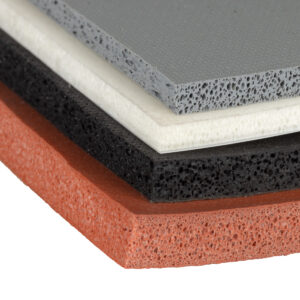
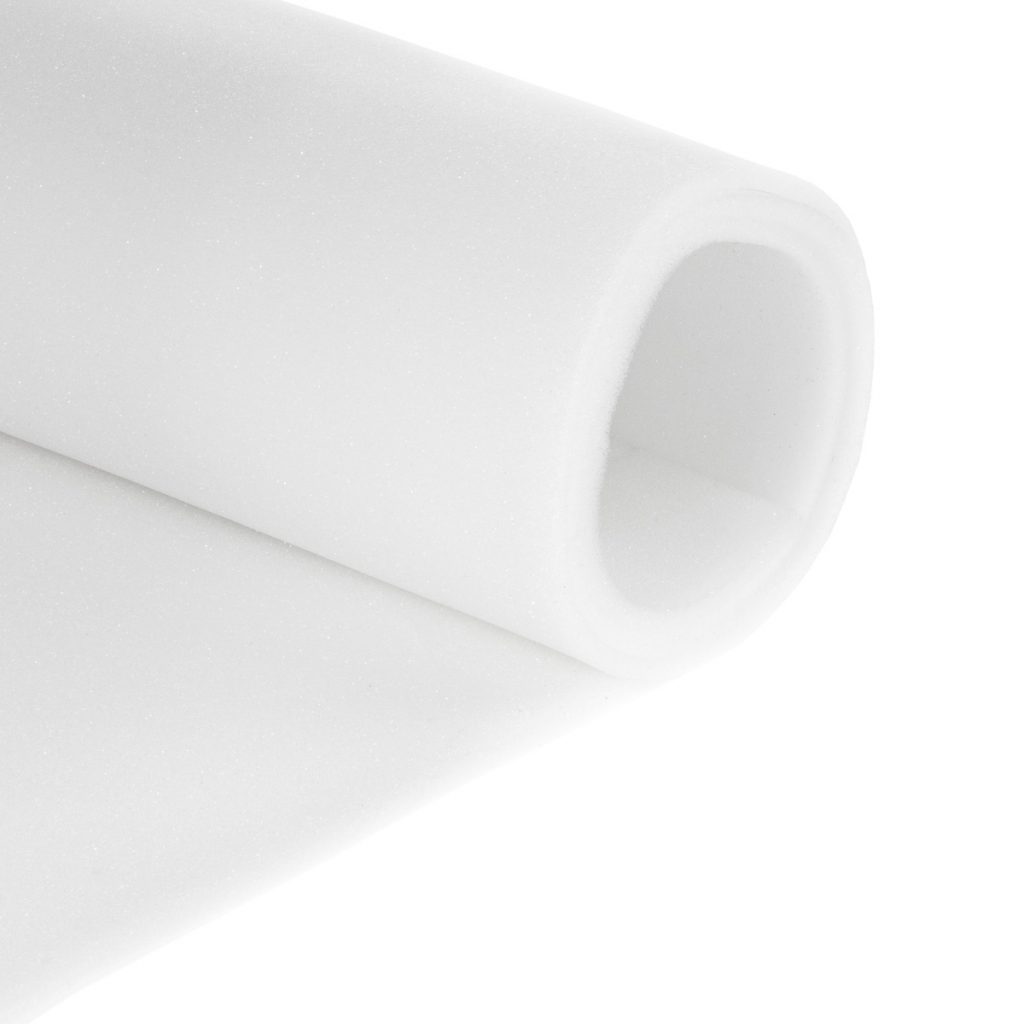
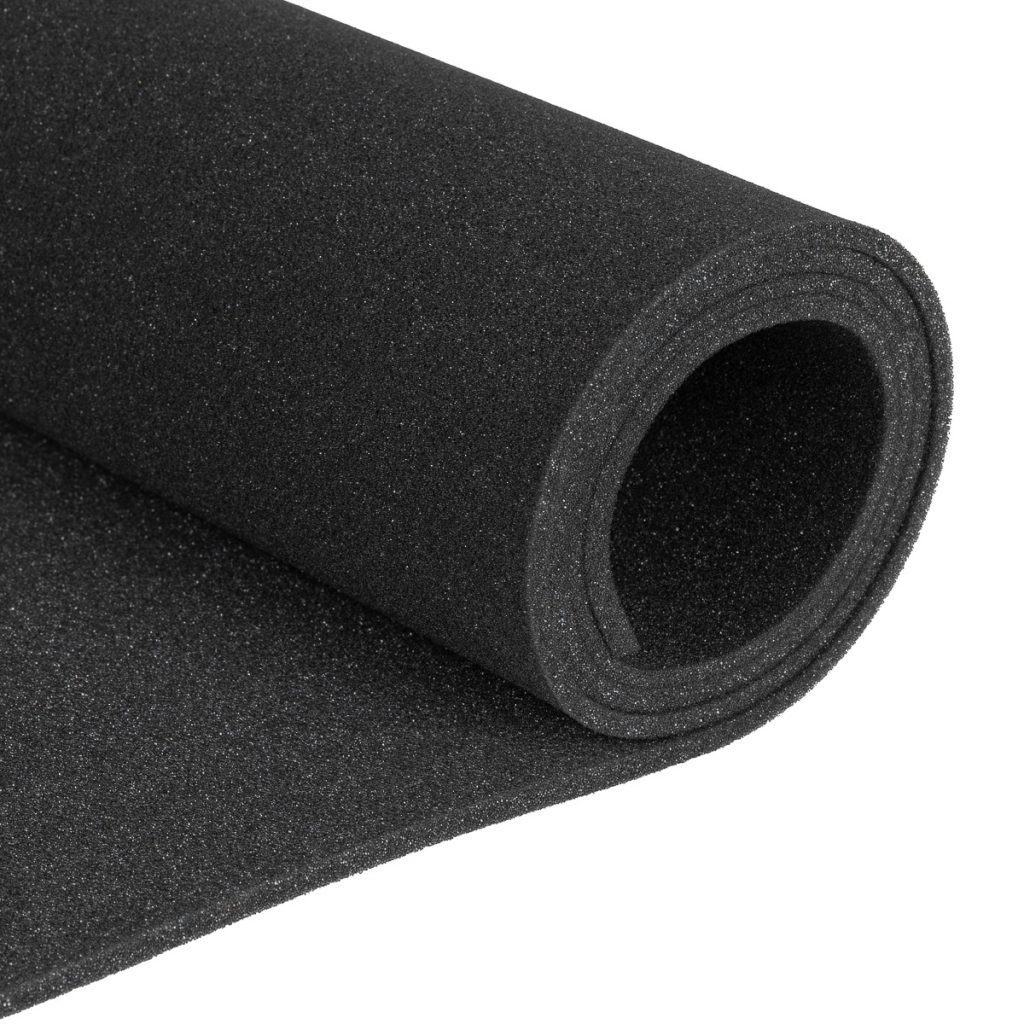
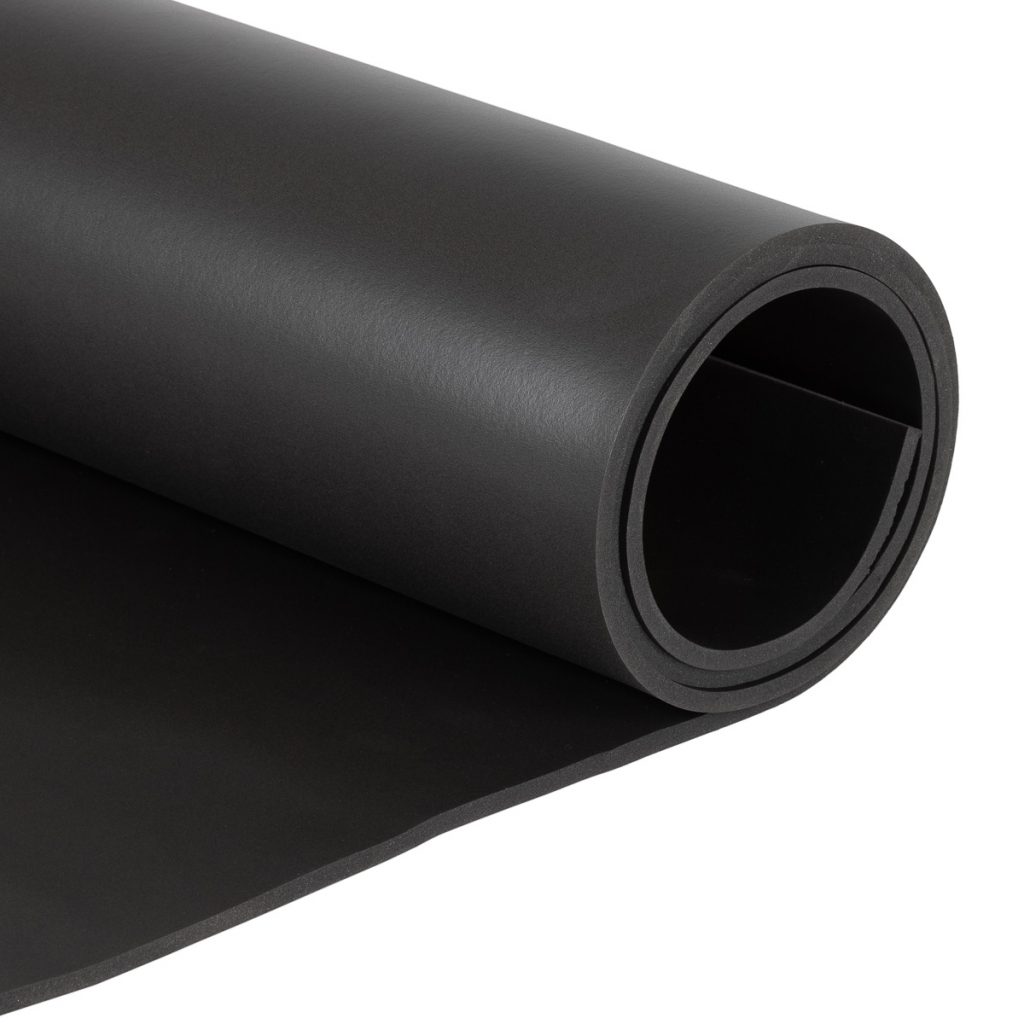
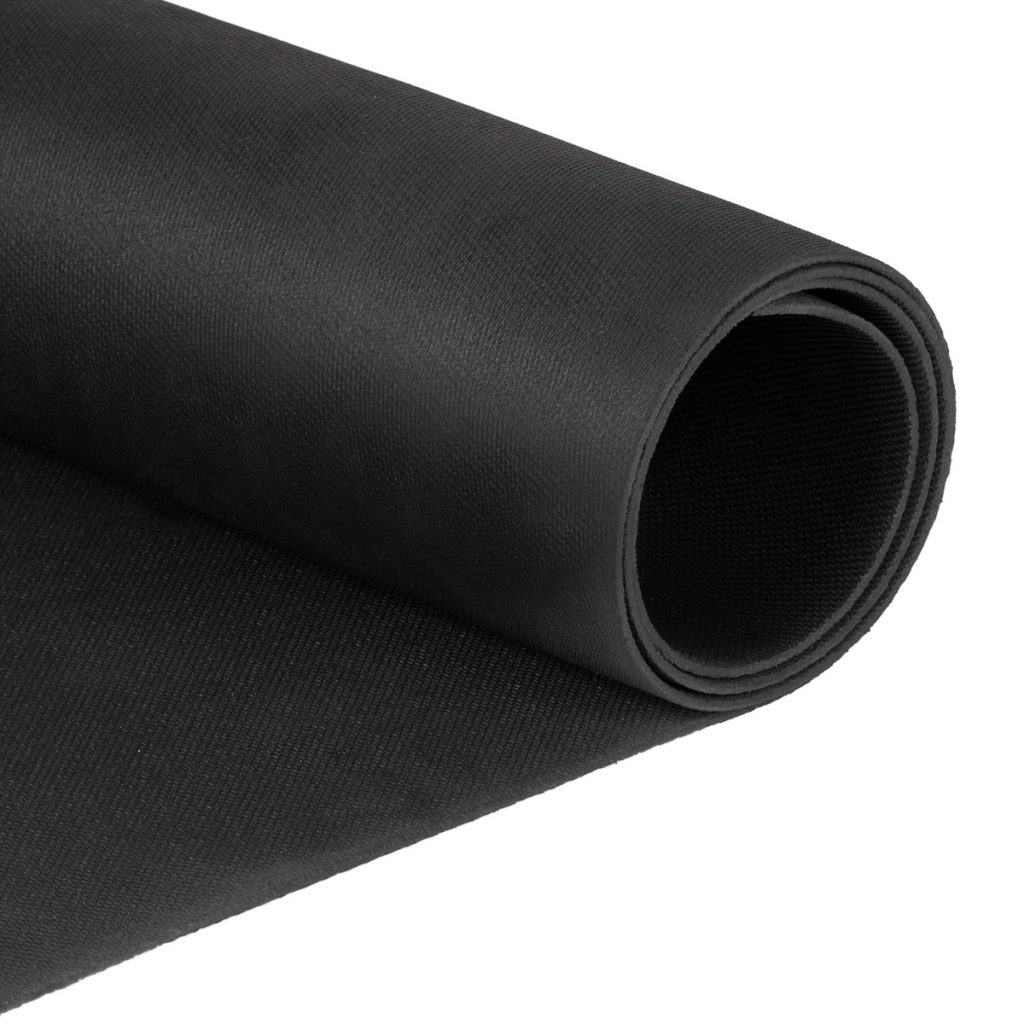
Foam is widely used for sealing due to its flexibility and ability to compress and adapt to uneven surfaces. It fills gaps effectively and maintains contact where rigid materials may not.
In everyday use, foam is commonly found around doors and windows, inside appliances, and in areas where noise or vibration needs to be reduced. In commercial and industrial settings, foam sealing materials are used in equipment panels, HVAC systems, and electrical enclosures to help control air, dust, moisture, and vibration.
The versatility of foam comes from the range of materials available, each suited for different conditions and performance needs. Choosing the right foam starts with understanding how it will be used and what matters most for the seal.
What Is Foam Material?
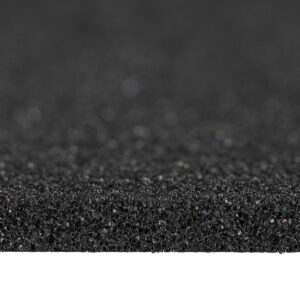
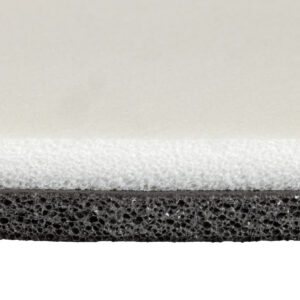
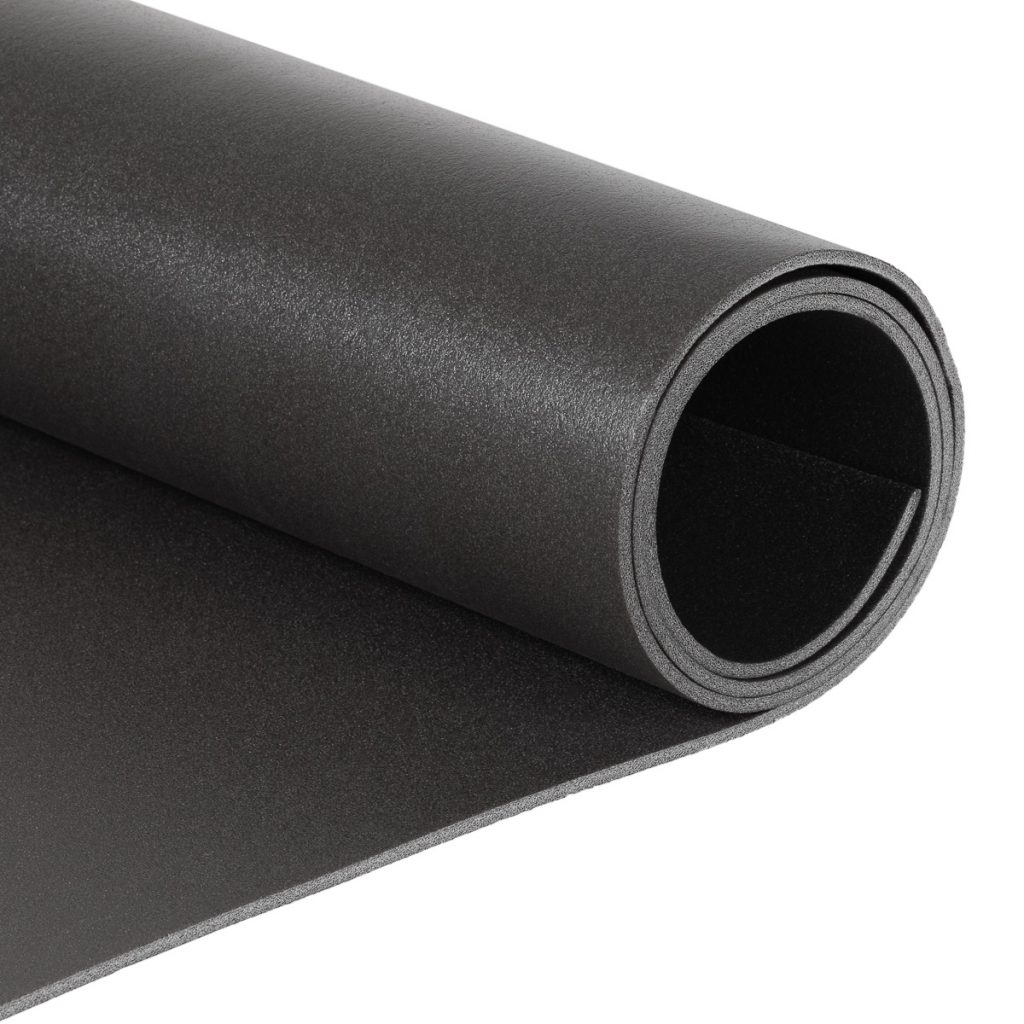
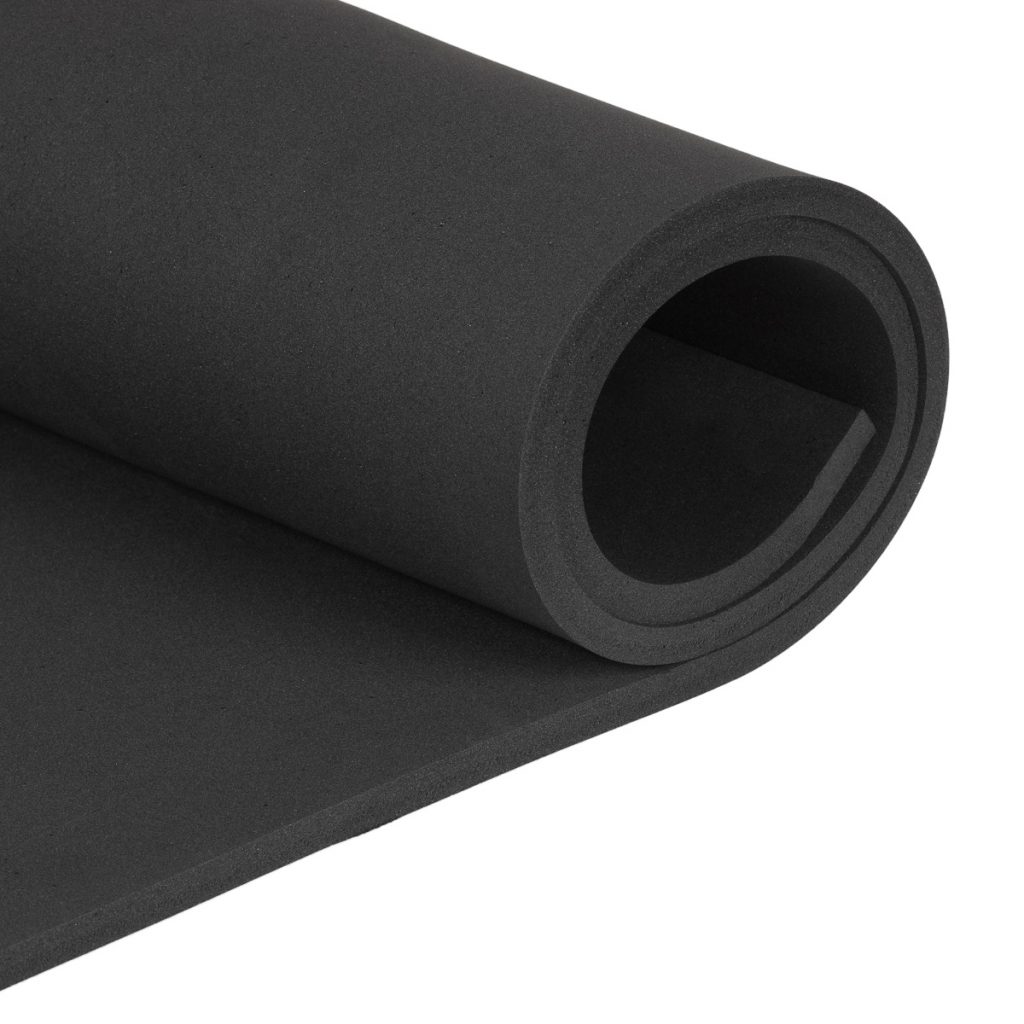
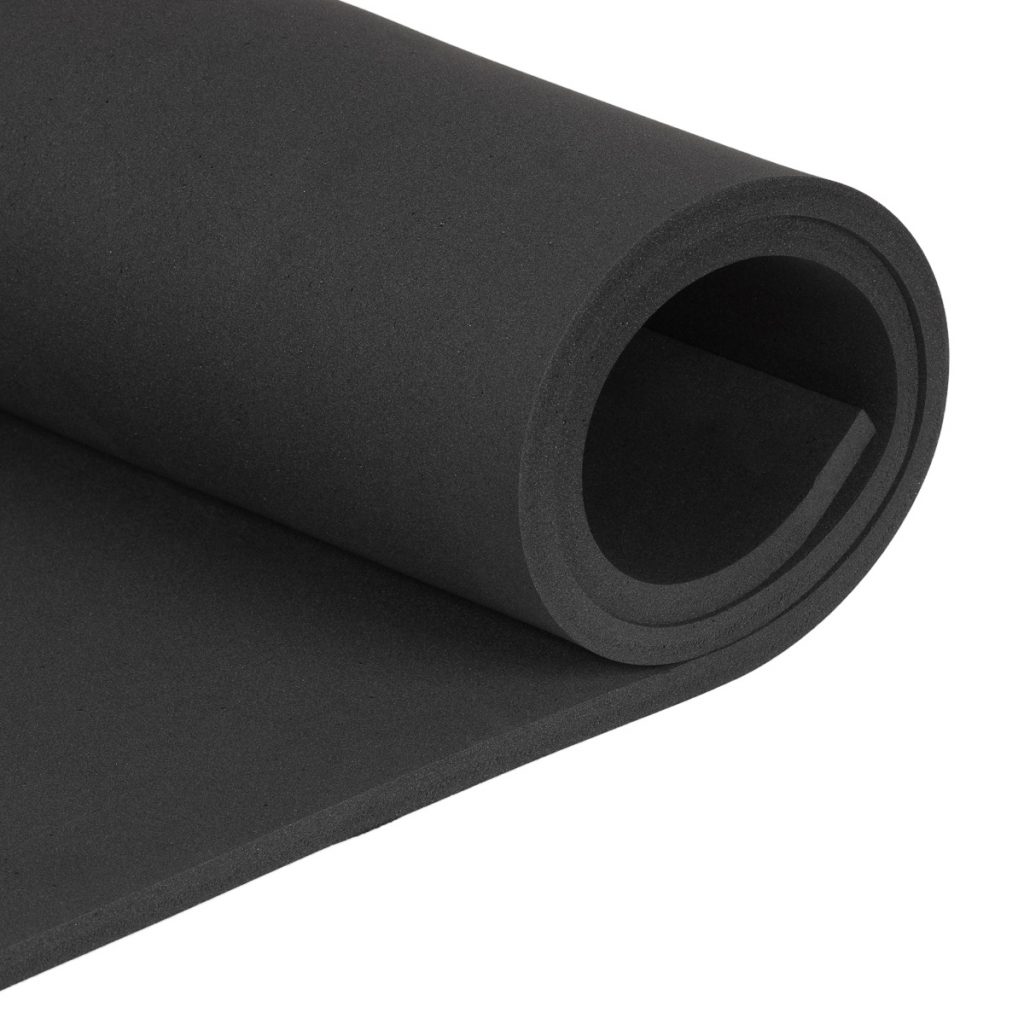
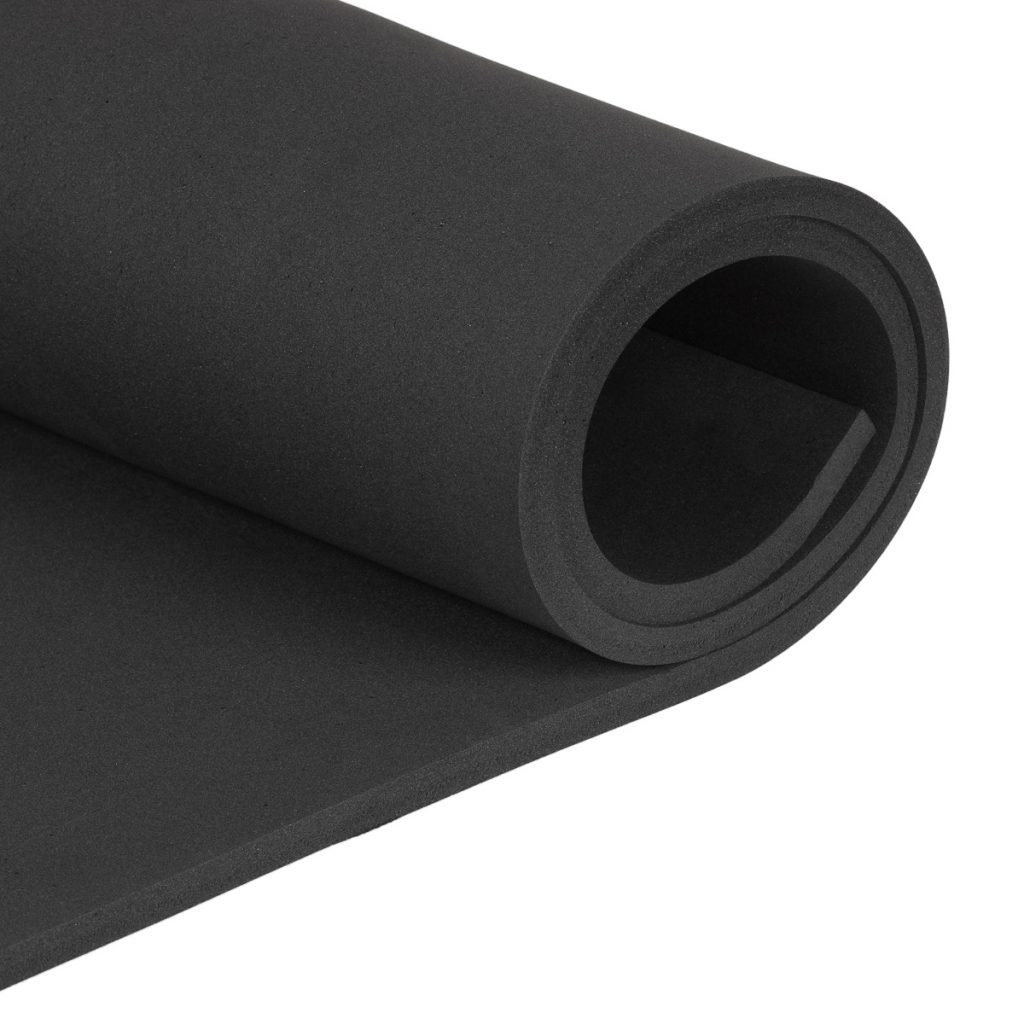
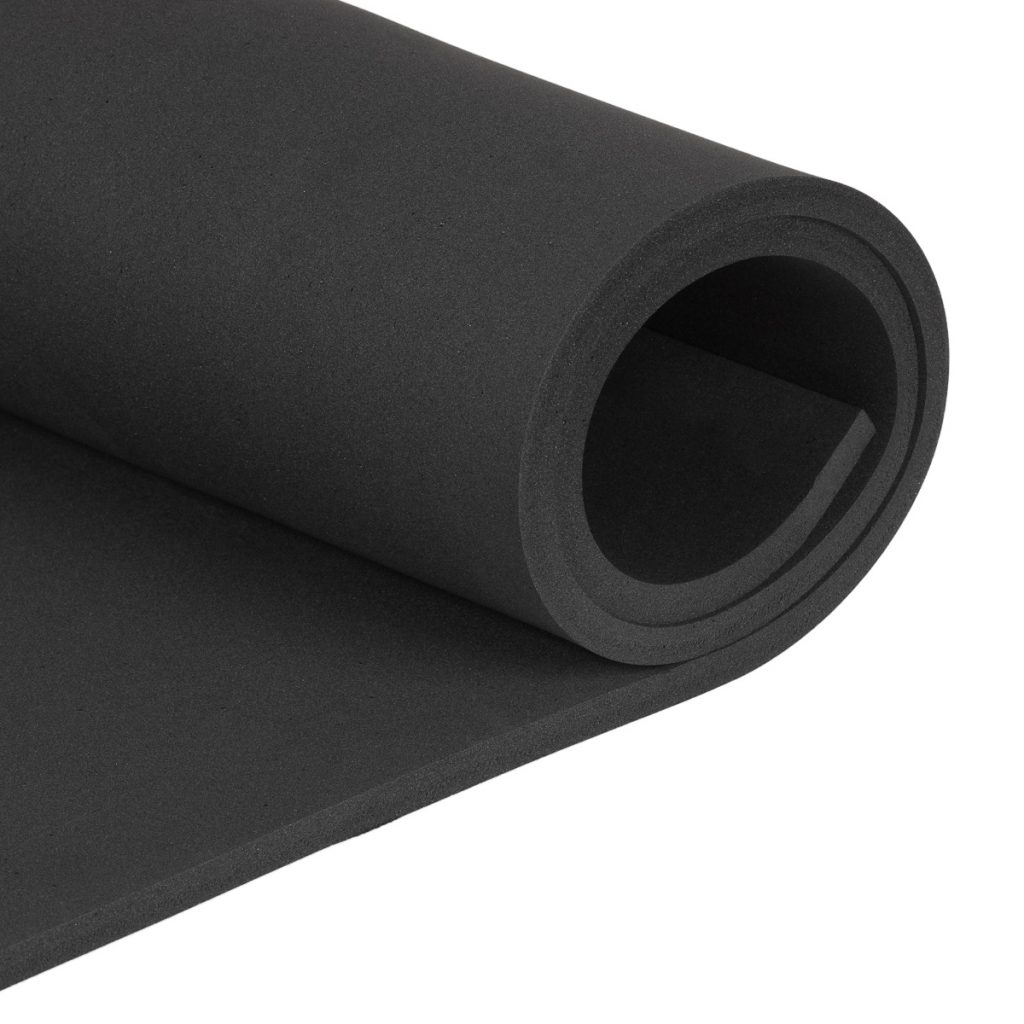
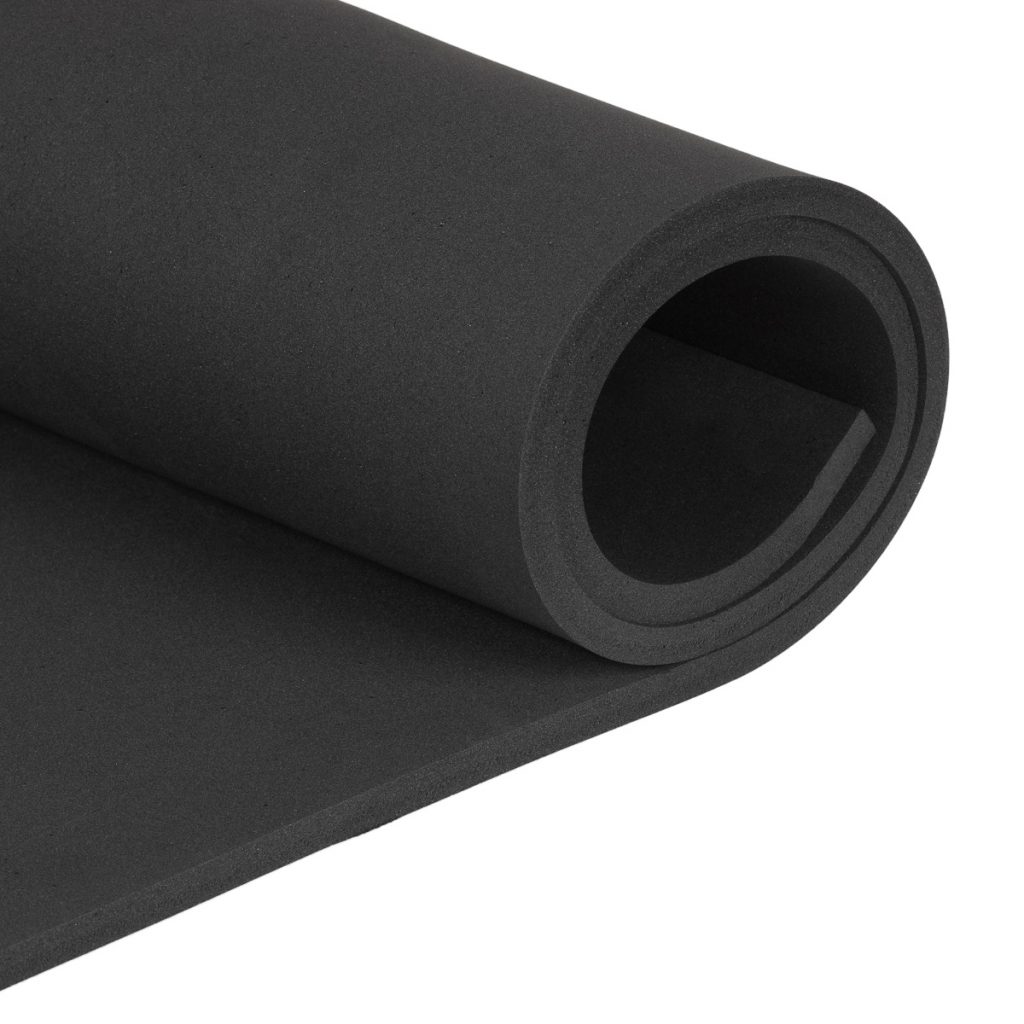
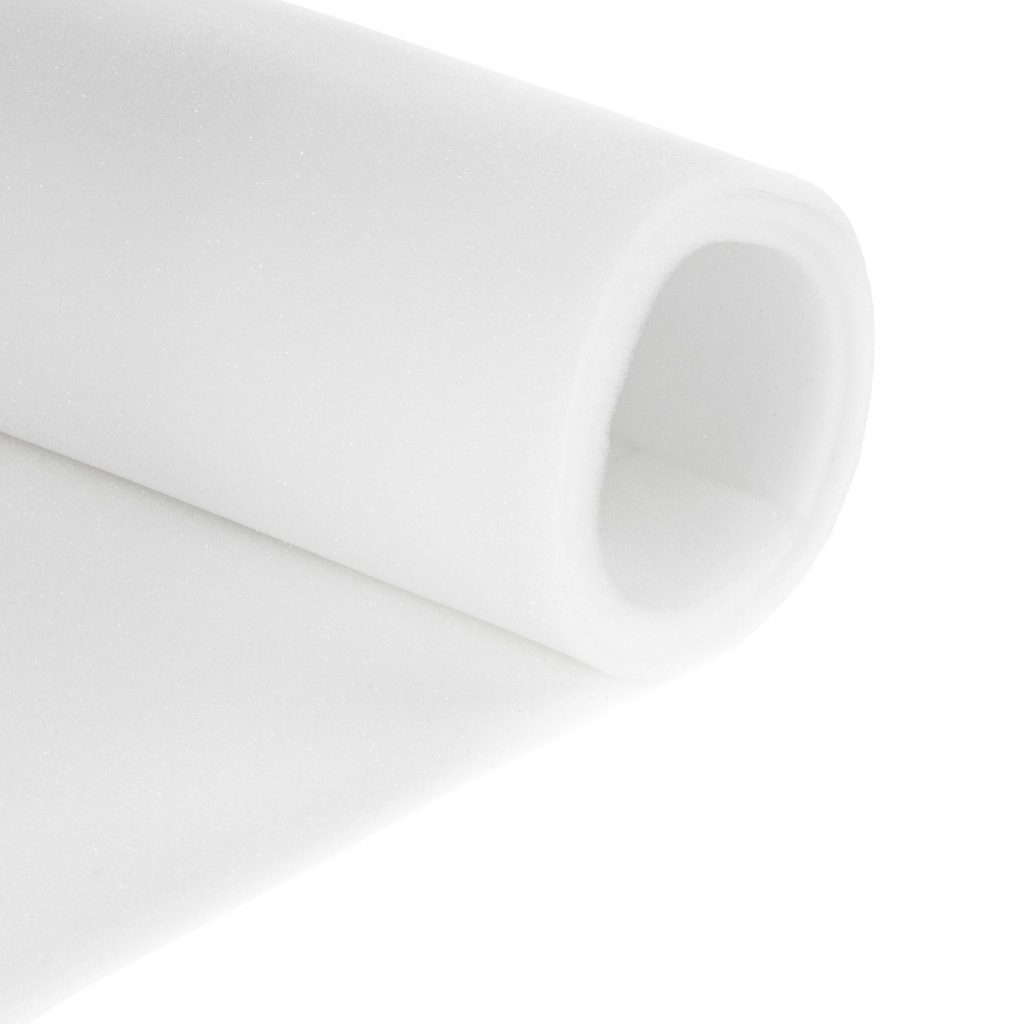
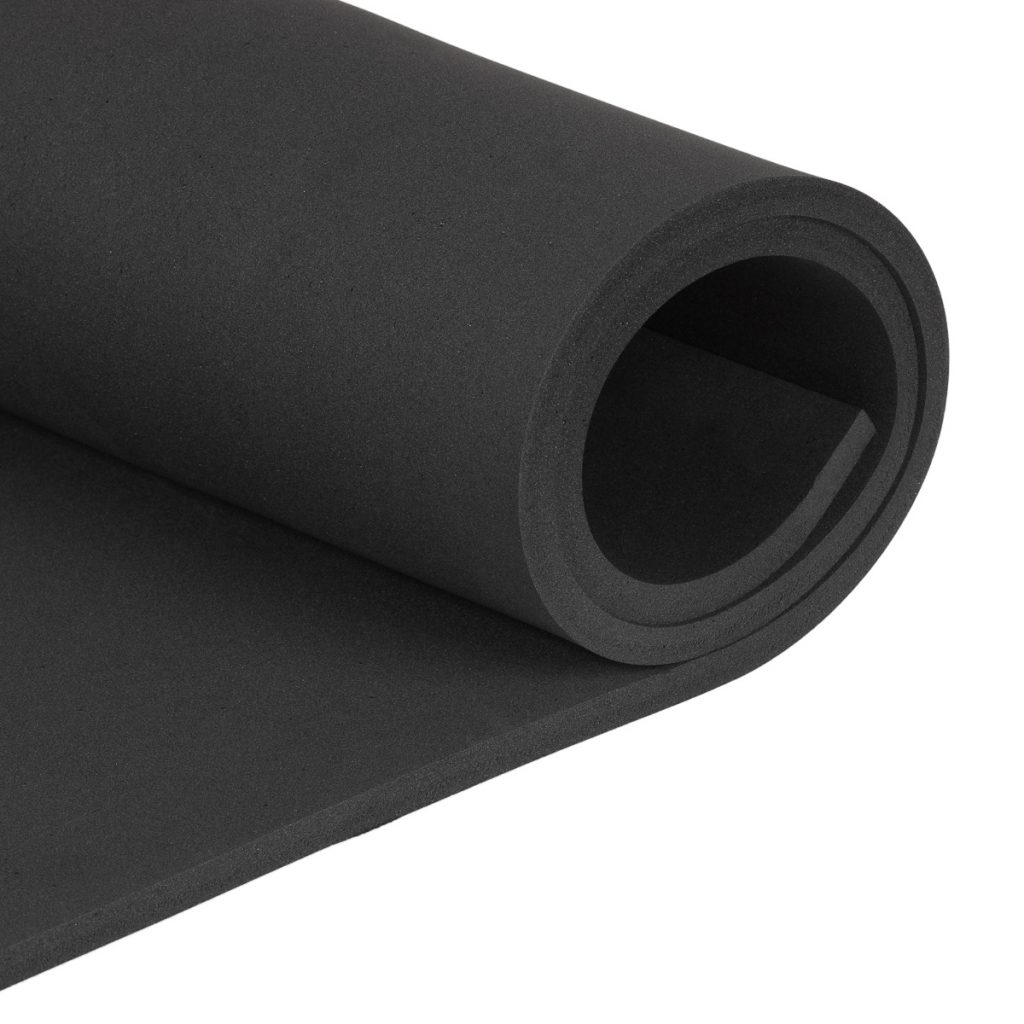
Foam is a type of polymer material made with a cell structure that traps air inside. This structure makes foam lightweight, compressible, and flexible, which is why it is commonly used for sealing and gasket applications.
In foam sealing applications, the material compresses to fill gaps and uneven surfaces, helping block air, dust, and moisture. When pressure is released, the foam recovers and continues to maintain contact between surfaces. This makes foam gasket materials effective where movement, vibration, or small tolerances are present.
Cell Structure: Open-Cell vs. Closed-Cell Foam
The cell structure of a foam material plays a major role in sealing performance.
Open-cell foam: Has connected cells that allow air and moisture to pass through. It is soft and flexible, often used for cushioning or sound control rather than sealing.
Closed-cell foam: Has sealed cells that resist air and moisture. This makes closed-cell foam a common choice for foam seals and gaskets.
Key Properties That Affect Sealing
Foam density: Affects how firm the foam feels and how well it holds up under pressure.
Compression set: Describes how well the foam returns to its original thickness after being compressed.
Recovery: Refers to how quickly the foam rebounds, which helps maintain a consistent seal over time.
Key takeaway: For most sealing applications, closed-cell foam materials provide better sealing performance than open-cell foam.
Different foam materials are designed for different performance needs. Below is a general overview of commonly used foam materials for sealing, including both household and industrial applications.
Polyethylene (PE) Foam
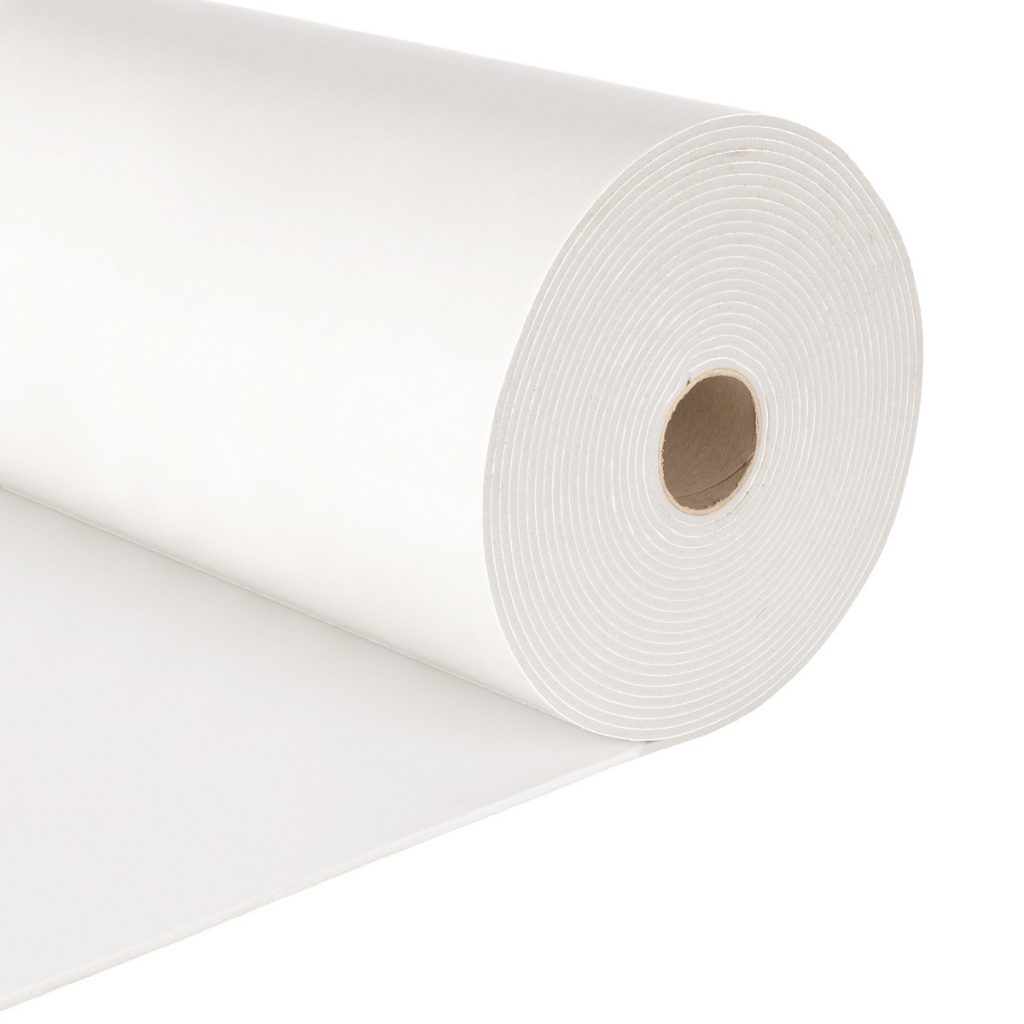
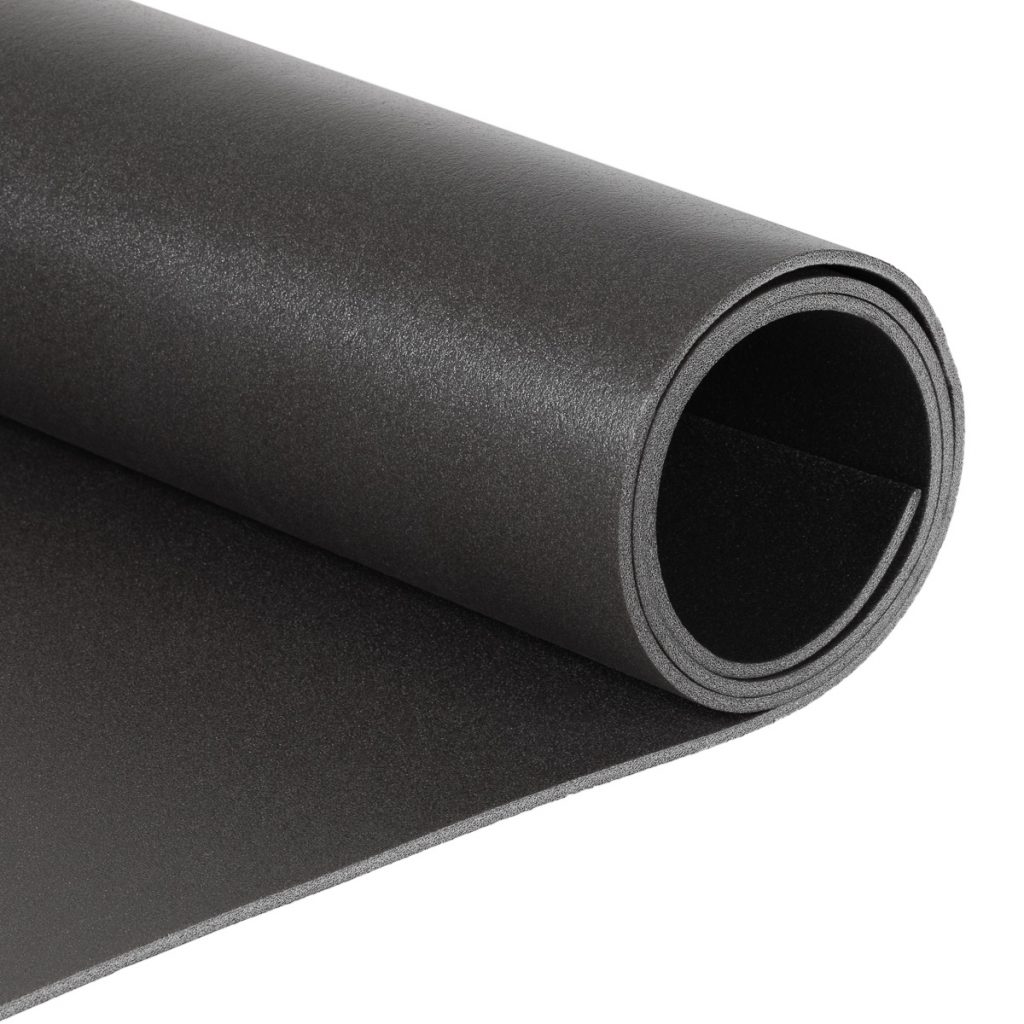
Polyethylene foam is a lightweight, closed-cell material known for its durability, moisture resistance, and good compression recovery. It is commonly used where a reliable seal is required without adding significant weight.
Sample product in this category:
PE Low Density 2lb
PE + EVA 8.5lb
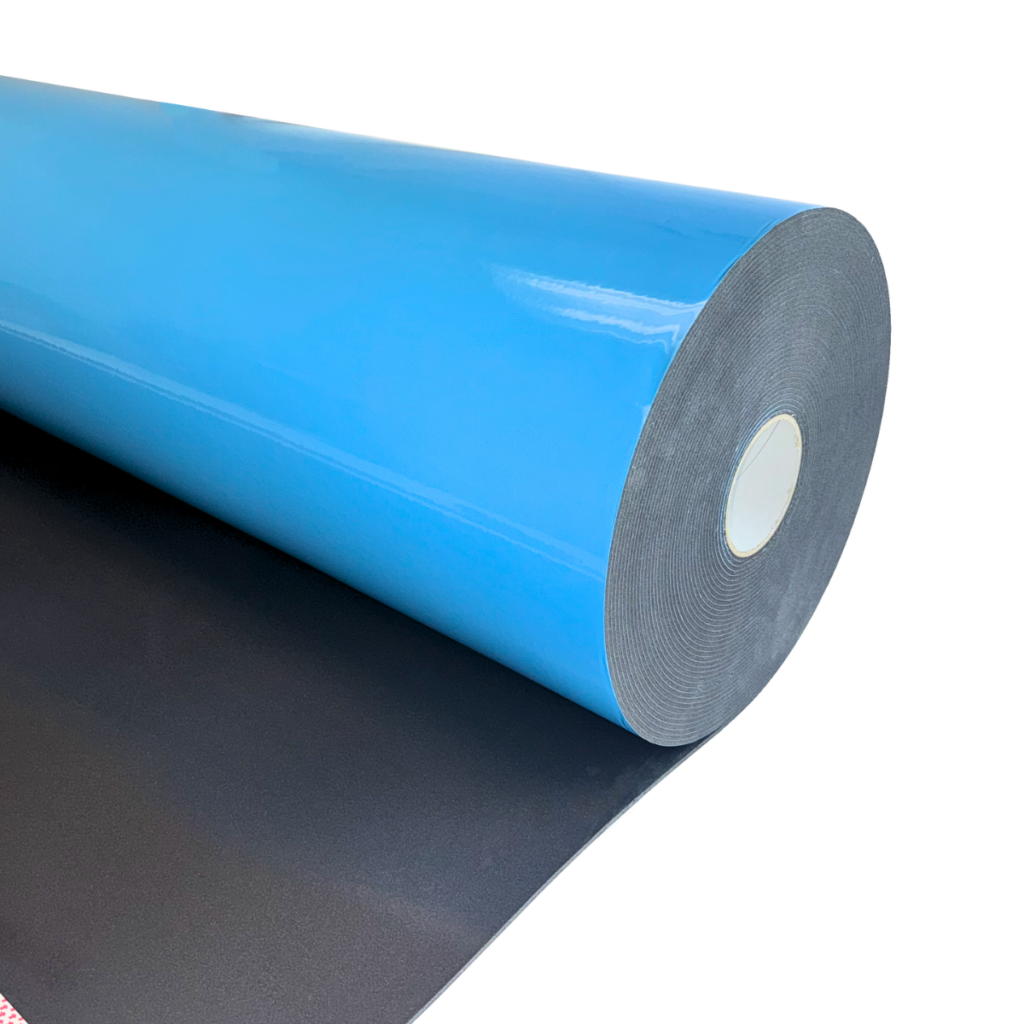
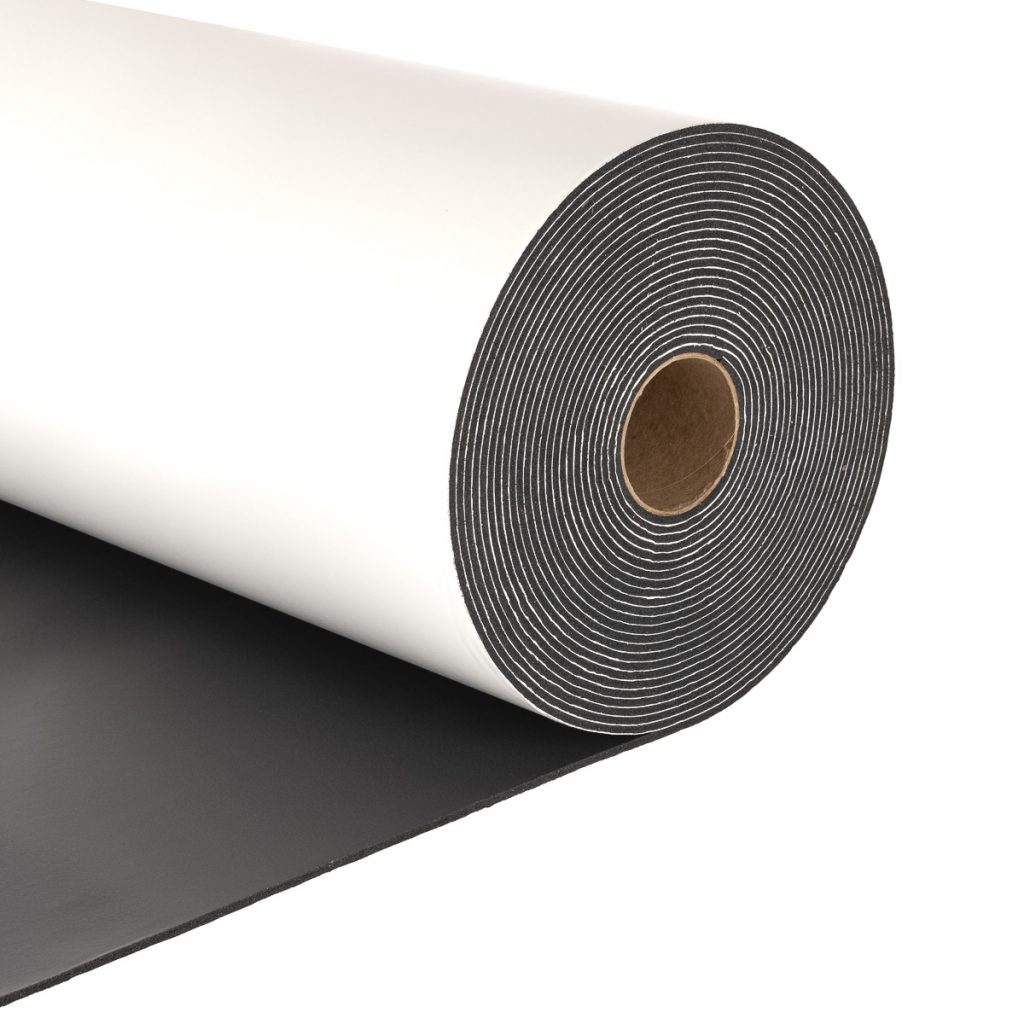
Double Coated Foam Tape – Black
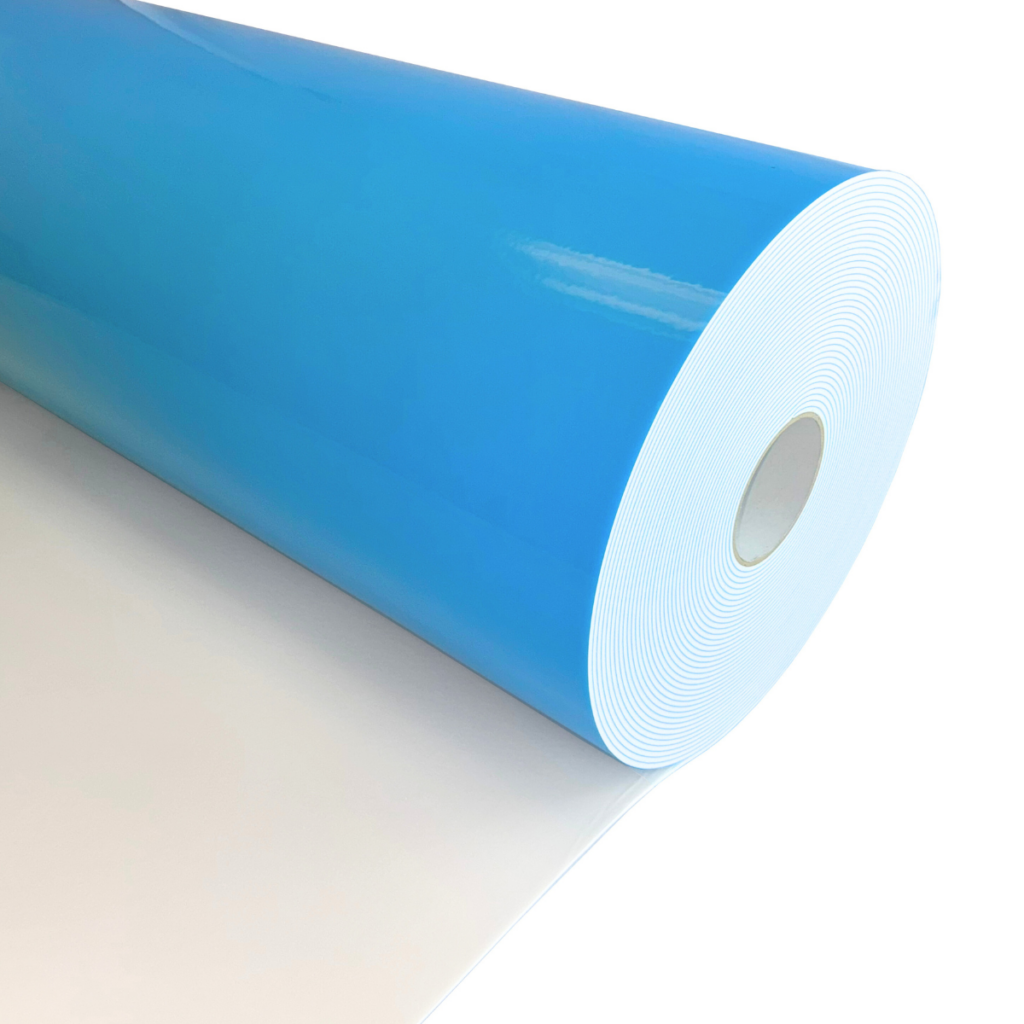
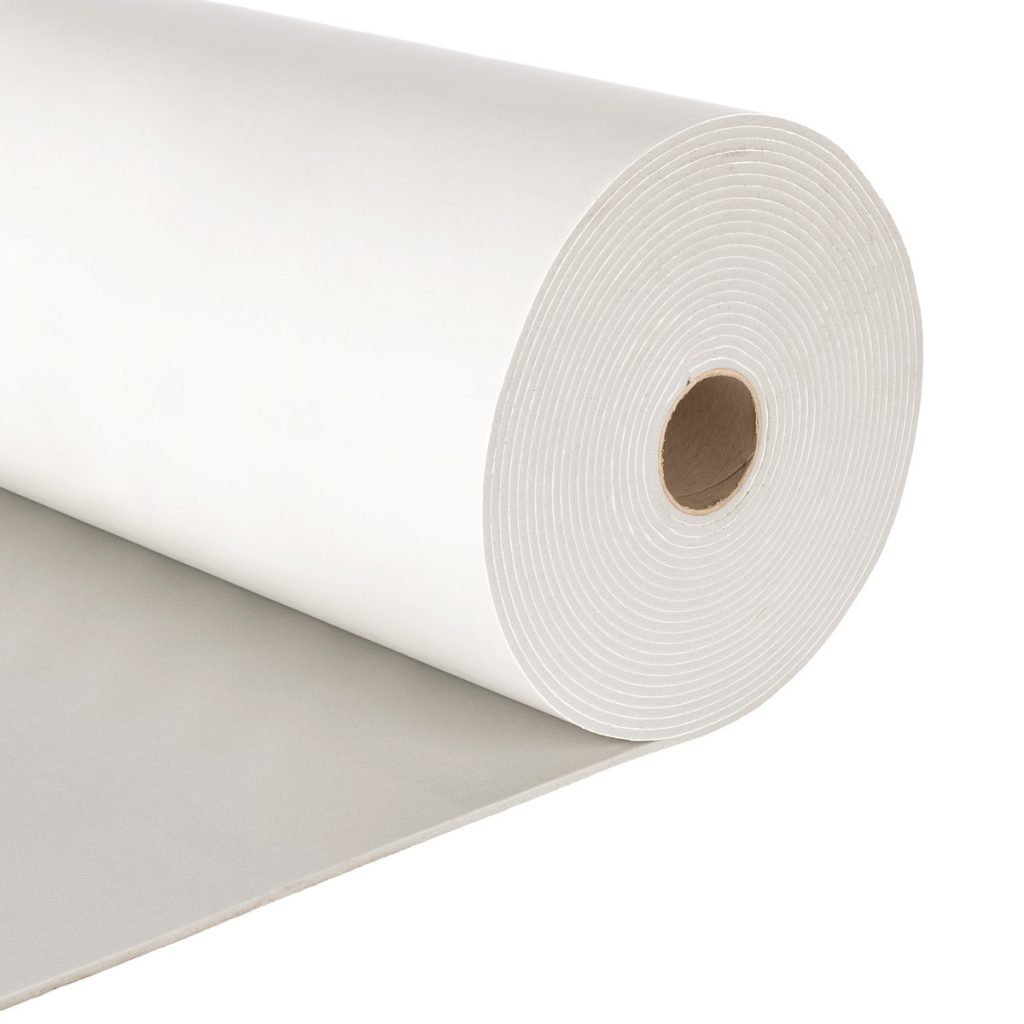
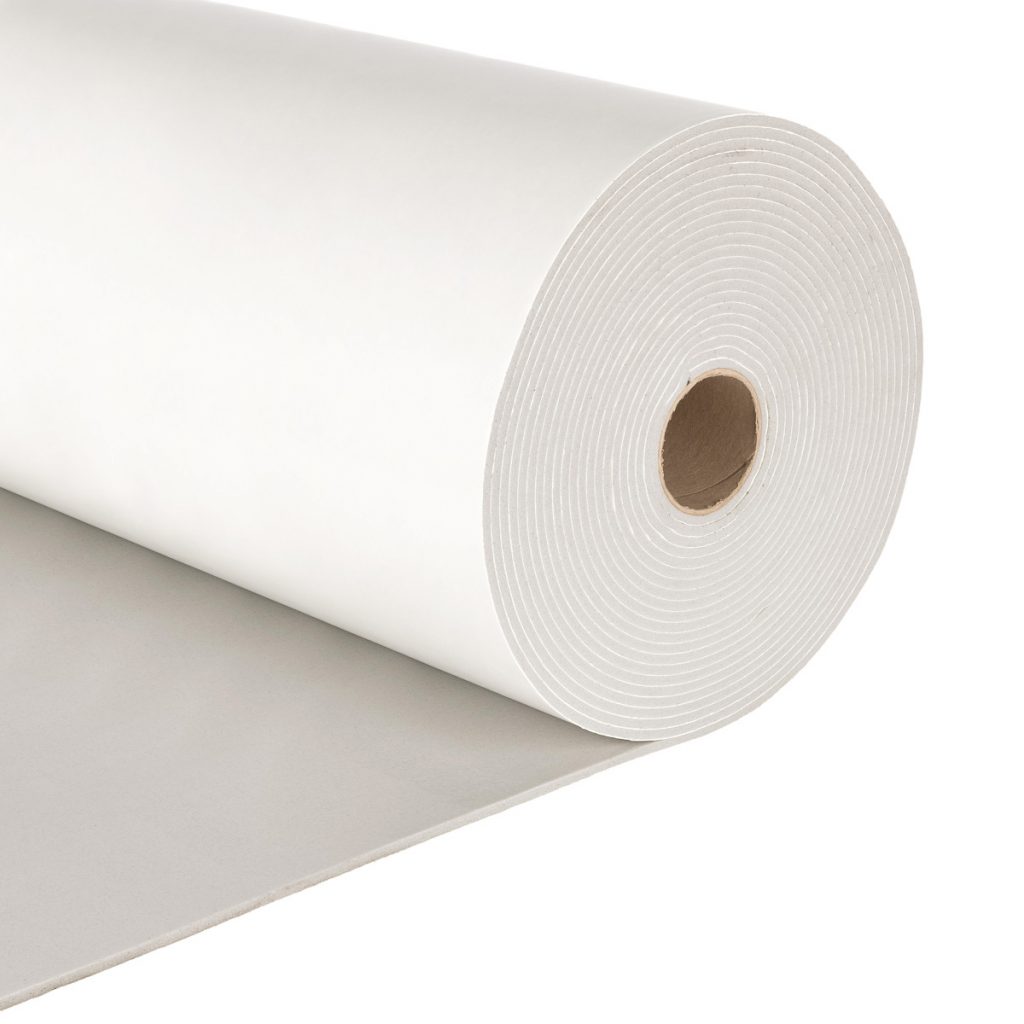
Double Coated Foam Tape – White
VOLARA® 2A
VOLARA® 4A
General characteristics:
Closed-cell structure resists water, air, mildew, and bacteria
Lightweight with good resilience and shock absorption
Performs well across a wide temperature range
Available in multiple thicknesses and densities for sealing and cushioning
Can be supplied with PSA options
Common sealing applications:
General-purpose gaskets and seals
Equipment panels and enclosures
Protective spacing and vibration damping
EPDM Foam
EPDM foam is widely used for outdoor and exposed sealing applications. In addition to its weather and UV resistance, EPDM foam also offers better chemical resistance than standard neoprene foam, making it suitable for a wider range of environments.
Sample product in this category:
EPDM Foam 4lb
EPDM Foam 7lb
General technical characteristics:
Closed-cell structure provides good air and water sealing
Good resistance to weathering, ozone, and UV exposure
Better chemical resistance compared to standard neoprene
Maintains flexibility over time
Can be supplied with PSA options
Common sealing applications:
Door and window seals
HVAC systems
General-purpose industrial sealing
Neoprene / EPDM / SBR Blend Foam
Neoprene / EPDM / SBR blended foams offer a balanced combination of flexibility, durability, and environmental resistance. A key advantage of these materials is that all blended foams are UL-listed for flammability, which is an important consideration for many industrial and electrical applications.
Sample product in this category:
DK1111 RL1 6lb
SCE41B Foam 6lb
SCE4SB Foam 9lb
General technical characteristics:
Good resistance to oils, fuels, and mild chemicals
Closed-cell structure for sealing against air and moisture
UL-listed for flammability (e.g., UL 94, UL 50E)
Can be supplied with PSA options
Common sealing applications:
Industrial and electrical enclosures
Equipment requiring flammability-rated materials
General-purpose sealing and vibration isolation
Polyurethane (PU) Foam
Polyurethane foam is available in both open-cell and higher-density forms. It is softer and more flexible than many closed-cell foams, making it suitable for cushioning, sound control, and light sealing applications.
Sample product in this category:
BONDTEX® 920
PU Foam 1lb
PU Foam 1.5lb
PU Foam 2lb
PORON® 4701-40 15lb
General technical characteristics:
Available in open-cell and denser formulations
Highly compressible and flexible
Good for indoor applications where moisture resistance is not critical
Often used for comfort, sound absorption, and gap filling
PORON® foam has an excellent compression set resistance and a low moisture absorption rate
Can be supplied with PSA options
Common sealing applications:
Light-duty seals
Acoustic control
Cushioning and spacing
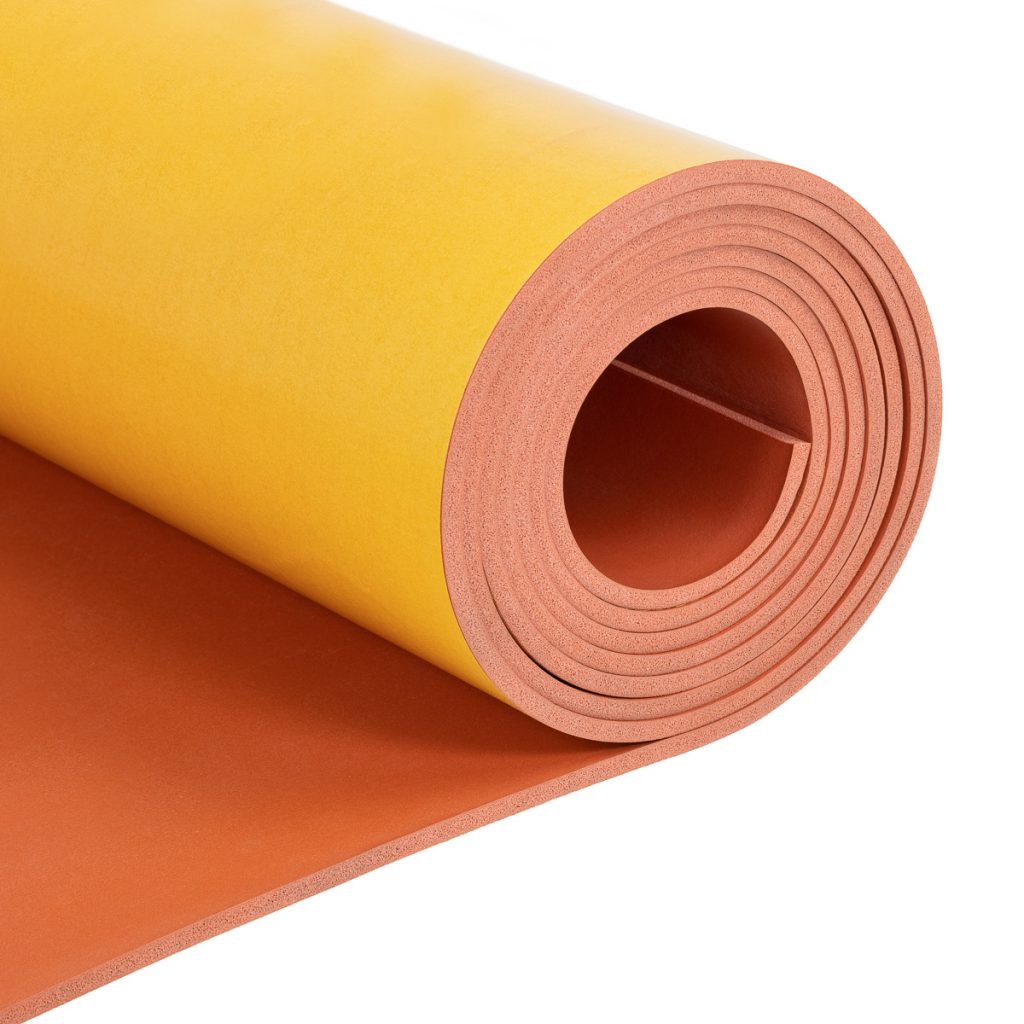
Silicone Foam
Silicone sponge is a closed-cell foam commonly used where temperature stability and chemical resistance are required. In addition to performing well across a wide temperature range, silicone foam also offers good resistance to many chemicals, making it suitable for demanding environments.
Sample product in this category:
Silicone Sponge 20lb
General technical characteristics:
Closed-cell structure for effective sealing
Excellent high- and low-temperature performance
Resistant to aging and environmental exposure
Can be supplied with PSA options
Common sealing applications:
Electrical and electronic enclosures
High-temperature equipment
Outdoor and harsh-environment seals
PVC Foam
PVC foam is a closed-cell material that provides a good balance of firmness and compressibility. In addition to sealing against air and moisture, PVC foam is commonly used for sound, light, and dust sealing, especially where a slightly firmer foam is required.
Sample product in this category:
PVC Foam 6lb
PVC Foam 7lb
PVC Foam 8lb
PVC Foam 15lb
General technical characteristics:
Closed-cell structure resists moisture and air
Available in multiple density options for different sealing needs
Good dimensional stability under compression
Can be supplied with PSA options
Common sealing applications:
Equipment panels and enclosures
Sound, light, and dust sealing
Industrial gaskets and spacing applications
Nitrile Butadiene Rubber (NBR) Foam
NBR foam is a nitrile-based closed-cell foam known for its excellent resistance to oil and gas. This makes it a preferred choice for sealing applications where exposure to petroleum-based fluids is expected.
Sample product in this category:
Nitrile Butadiene Rubber (NBR)
General technical characteristics:
Closed-cell structure for effective sealing
Strong resistance to oils, fuels, and hydrocarbons
Maintains sealing performance under compression
Can be supplied with PSA options
Common sealing applications:
Oil and gas-related equipment
Industrial gaskets exposed to petroleum products
Mechanical sealing where fluid resistance is required
Natural Rubber Sponge
Natural Rubber Sponge is a soft, closed-cell foam material known for its excellent flexibility and cushioning properties. It combines good compression recovery with resistance to repeated movement, making it suitable for a range of sealing and cushioning applications.
Sample product in this category:
Natural Rubber 26lb
General technical characteristics:
Closed-cell structure resists water and air infiltration
Adapts well to surface irregularities
Helps maintain consistent sealing contact
Moderate resistance to oils and mild chemicals
Common sealing applications:
Soft seals where compression recovery matters
Cushioning between panels and frames
Light-to-medium sealing where flexibility is needed
Key Factors to Consider When Choosing Foam for Sealing
Selecting the right foam material depends on how it will perform in the application. The points below highlight the main factors that influence foam sealing performance.
Environment
Foam should suit the conditions where it will be used, including indoor or outdoor exposure, moisture, weather, sunlight, and contact with oils or cleaning agents. Closed-cell foam is often preferred in exposed or sealed environments
Compression and Recovery
Foam used for sealing should compress easily and recover well to maintain contact between surfaces over time, especially where movement or repeated compression is involved.
Temperature
Foam must remain flexible within the expected temperature range. Materials that handle temperature changes better help prevent cracking, hardening, or seal failure.
Thickness and Density
Thicker foam helps fill uneven or larger gaps, while denser foam provides stronger resistance to compression. The right balance improves sealing performance and service life.
Installation
The method of installation affects foam selection. Some applications benefit from quick-apply foam, while others require foam cut to a specific shape for consistent results.
Common Foam Sealing Mistakes to Avoid
Avoiding these mistakes improves sealing performance and extends service life.
Using the wrong cell type in moisture-exposed environments
Choosing foam that’s too soft to maintain a seal
Ignoring UV or temperature exposure
Selecting thickness without accurate measurement
Assuming one foam fits all applications
Conclusion: Selecting the Right Foam Starts with the Application
Choosing the right foam material for sealing starts with understanding the application’s environment, expected service life, and performance requirements. Foam sealing delivers excellent results when matched with the right material properties.
If you need help selecting the right foam material for your sealing application, contact Custom Gaskets to speak with a material specialist and get guidance tailored to your needs.
Need advice?
Speak with one of the Custom Gaskets specialists to guide you with the most suitable gasket materials based on your application.
For more info contact us at 604-263-1426 or fill out the form below.